
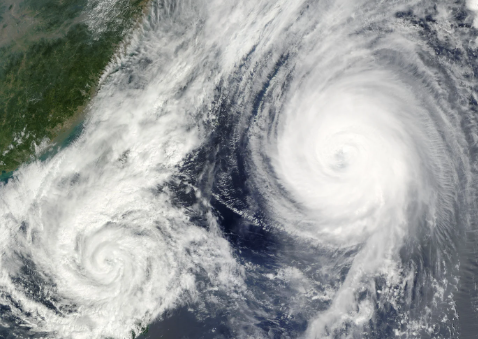
The weather forecast for this winter is attracting widespread attention far beyond the construction industry. Meteorologists and climate experts are closely tracking what many are calling a historic Super El Niño winter forecast, with predictive models indicating a greater than 90% chance of a very strong El Niño pattern developing through the 2026–2027 season.
While media coverage often focuses on general temperature shifts and regional precipitation averages, commercial property owners must pay attention to a far more critical factor: Super El Niño building envelope performance.
For our facilities clients across Texas and Georgia, a wetter, stormier winter driven by Super El Niño weather impacts can rapidly expose hidden commercial roofing vulnerabilities from aged membranes and deteriorated flashings to perimeter waterproofing failures that typically go unnoticed during drier conditions.
What Is El Niño?
An El Niño occurs when sea surface temperatures in the equatorial Pacific Ocean become warmer than average, altering atmospheric circulation patterns and impacting weather around the world. The phenomenon influences jet stream patterns across North America, often resulting in wetter conditions throughout the southern United States.
According to the National Oceanic and Atmospheric Administration, the current El Niño is expected to strengthen through the fall and winter months, potentially producing some of the most significant seasonal impacts seen in years. For commercial facility managers, the key takeaway is simple: more rain typically means more opportunities for water intrusion, roof leaks, drainage failures, and moisture-related building issues.
What Could Texas Experience This Winter?
Historically, strong El Niño events shift the storm track southward and increase precipitation across Texas and much of the Southern Plains. Weather experts anticipate above-average rainfall and cooler-than-normal temperatures throughout much of the state during the peak winter months. For commercial buildings, that could mean:
-
Increased Roof Leaks
Even minor deficiencies in roofing systems can become major problems during prolonged periods of rainfall. This can include, aging membranes, deteriorated flashing, open seams, and poorly maintained penetrations often become apparent only after multiple storm events. -
Ponding Water Issues:
Flat and low-slope roofing systems are especially vulnerable during wet winters. Areas with inadequate drainage can experience standing water that places additional stress on roofing materials and increases the risk of premature deterioration. -
Window Leaks:
Wind-driven rain and heavy downpours can severely test the perimeter sealants, window gaskets, and glazing details of commercial facades. Prolonged wet weather frequently exposes failing window caulking and flashing defects, leading to water infiltration around window frames and damage to interior walls.
-
Waterproofing Vulnerabilities:
This can include expansion joints, foundations, plaza decks, wall systems, and below-grade waterproofing assemblies may experience increased water exposure. Buildings with deferred maintenance are particularly susceptible to moisture intrusion. -
Storm Damage Concerns:
While strong El Niño patterns are commonly associated with increased rainfall, they can also contribute to more active storm systems across Texas. Facility managers should ensure building envelope systems are prepared before severe weather arrives.
How Could Georgia Be Affected?
Although many people associate El Niño impacts with Texas and the Gulf Coast, Georgia often experiences significant winter effects as well. According to the National Weather Service Atlanta Office, El Niño winters frequently bring above-normal precipitation and below-normal temperatures to portions of Georgia, particularly during the winter season.
For commercial properties throughout the Atlanta metropolitan area and surrounding regions, these persistent weather patterns can create critical facility challenges such as:
- Increased Building Envelope Stress: Repeated wetting cycles can expose deficiencies in roofing systems, wall assemblies, sealants, and waterproofing details.
- Moisture Intrusion Risks: Facilities that have not undergone recent roof or building envelope inspections may discover leaks during periods of sustained rainfall.
- Drainage System Failures: Blocked roof drains, clogged gutters, and insufficient drainage capacity can cause water backup issues that threaten both building interiors and roofing systems.
- Operational Disruptions: Water intrusion events can impact tenants, operations, equipment, inventory, and indoor environments, resulting in costly emergency repairs and business interruptions.
Recent history also highlights how severe weather can strain commercial property infrastructure across the region which can look like:
- Sustained Winter Rainfall & Freeze Cycles: Recent winter storm systems across North and Central Georgia such as the January 2022 winter storm and consecutive early-year atmospheric events have brought severe cold snaps combined with torrential rains. These freeze-thaw cycles put immense stress on roof membranes, causing concrete cracking, expansion joint failure, and seal deterioration.
- Severe Convective Storms & Wind Events: Georgia has seen a marked rise in high-frequency severe storm events. Unseasonal severe convective storms and tropical remnants (like Tropical Storm Fred and major regional wind events) have brought heavy downpours and high winds that compromise perimeter flashings, overload roof drainage systems, and trigger severe water intrusion.
- Increasing Torrential Downpours: Data over recent years shows a notable increase in hourly rainfall intensity in Metro Atlanta, increasing the risk of flash flooding. When heavy rain falls over short periods, flat and low-slope commercial roofs experience rapid water accumulation, testing every seam, drain, and flashing detail on the building envelope.
While winter weather patterns along the Gulf Coast often dominate regional headlines, Metro Atlanta and surrounding North Georgia commercial properties face equally severe threats from El Niño-driven seasonal shifts. The combination of intense freeze-thaw cycles, high-volume precipitation events, and rapid water accumulation poses a direct threat to building envelopes, roofing systems, and drainage infrastructure. By recognizing these regional vulnerabilities early, facility and property managers across Georgia can take proactive steps to inspect their roofing assets, reinforce critical waterproofing details, and prevent unexpected winter storms from turning into costly operational downtime.
To further strengthen our local footprint and regional service capabilities across the Southeast, Chamberlin Roofing & Waterproofing recently acquired Atlanta-based commercial roofing contractor Dixie Membrane Roofing. This integration enhances our ability to support property and facility managers throughout the Atlanta region with localized expertise, specialized building envelope solutions, and rapid-response roofing and waterproofing services tailored to regional weather challenges.
How CHamberlin's CRW360® Preventative Maintenance Program Helps
To shift from a costly emergency repair mindset to a predictable, proactive model, Chamberlin’s CRW360® Preventative Maintenance Program provides building owners and facility managers with a structured framework designed to identify and fix building envelope and roofing deficiencies before they escalate into major failures:
-
Customized Surveys & Scheduled Inspections: Our team conducts regular evaluations (scheduled annually, semi-annually, quarterly, or as needed) utilizing roof condition assessments, and core sampling to catch vulnerabilities such as membrane punctures, sealant separation, and blocked drainage long before severe weather strikes.
-
Detailed Digital Condition Reports & Budgeting: Following each survey, you receive a comprehensive digital report complete with clear photos, videos, and transparent pricing estimates. The report pinpoints areas of deterioration and provides data-backed repair recommendations alongside projected costs, helping facility managers streamline capital planning and accurately forecast future maintenance budgets to justify targeted remediation over full replacement all while implementing a preventative maintenance plan to prevent leak disruptions.
-
Online Asset Management Portal: Users can login into their client portal and monitor portfolio health, track inspection histories, review warranty compliance, and access property data 24/7 from any device.
-
Push-Button Service Requests: If unexpected weather causes damage, the CRW360® portal allows you to request dispatch and track repair progress in real time from start to finish.
Protecting Your Facility Before the Storms Arrive
With the upcoming El Niño weather forecasts bringing a historic winter or simply a wetter-than-average season, waiting for a leak to reveal a vulnerability is a costly gamble. By integrating your building into the CRW360® program, you can extend building longevity, ensure manufacturer warranty compliance, and keep your facility protected year-round.
At Chamberlin Roofing & Waterproofing, our expert teams across Texas and Georgia help building owners and facility managers identify hidden risks before severe weather impacts operations. From comprehensive CRW360® preventative maintenance to full-scope roofing and waterproofing solutions, we ensure your building envelope is prepared to withstand every season. Don’t wait for the first storm to test your building’s resilience. Schedule a CRW360® Assessment Today or call us at 1-877-428-1000 to keep your facility online, protected, and operational.